

Saleemah Z on Project-Based Learning | The ChildTime®
April 8, 2026
/
admin
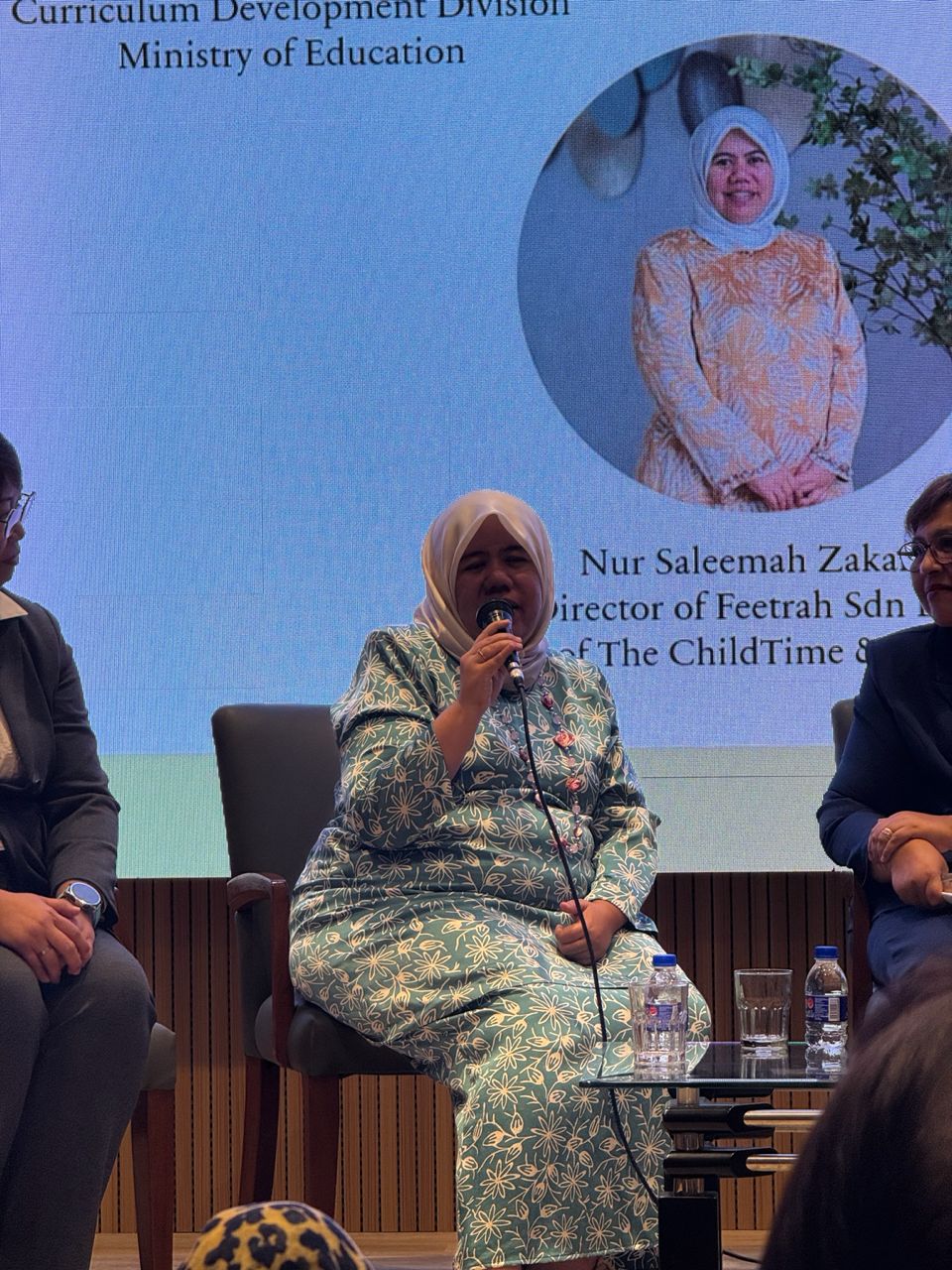
The ChildTime® Director Saleemah Z Speaks on Project-Based Learning and the Future of Early Childhood Education
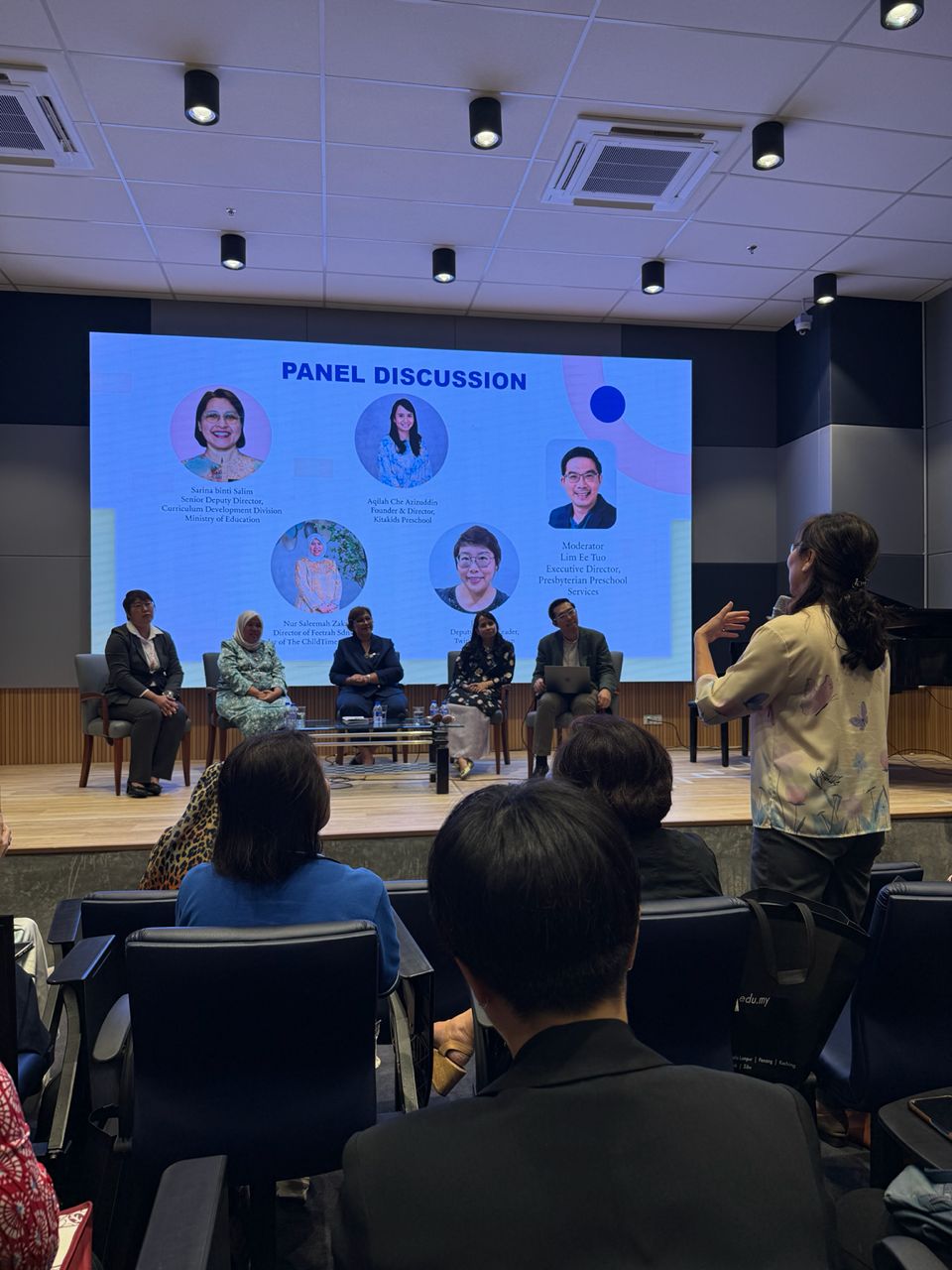
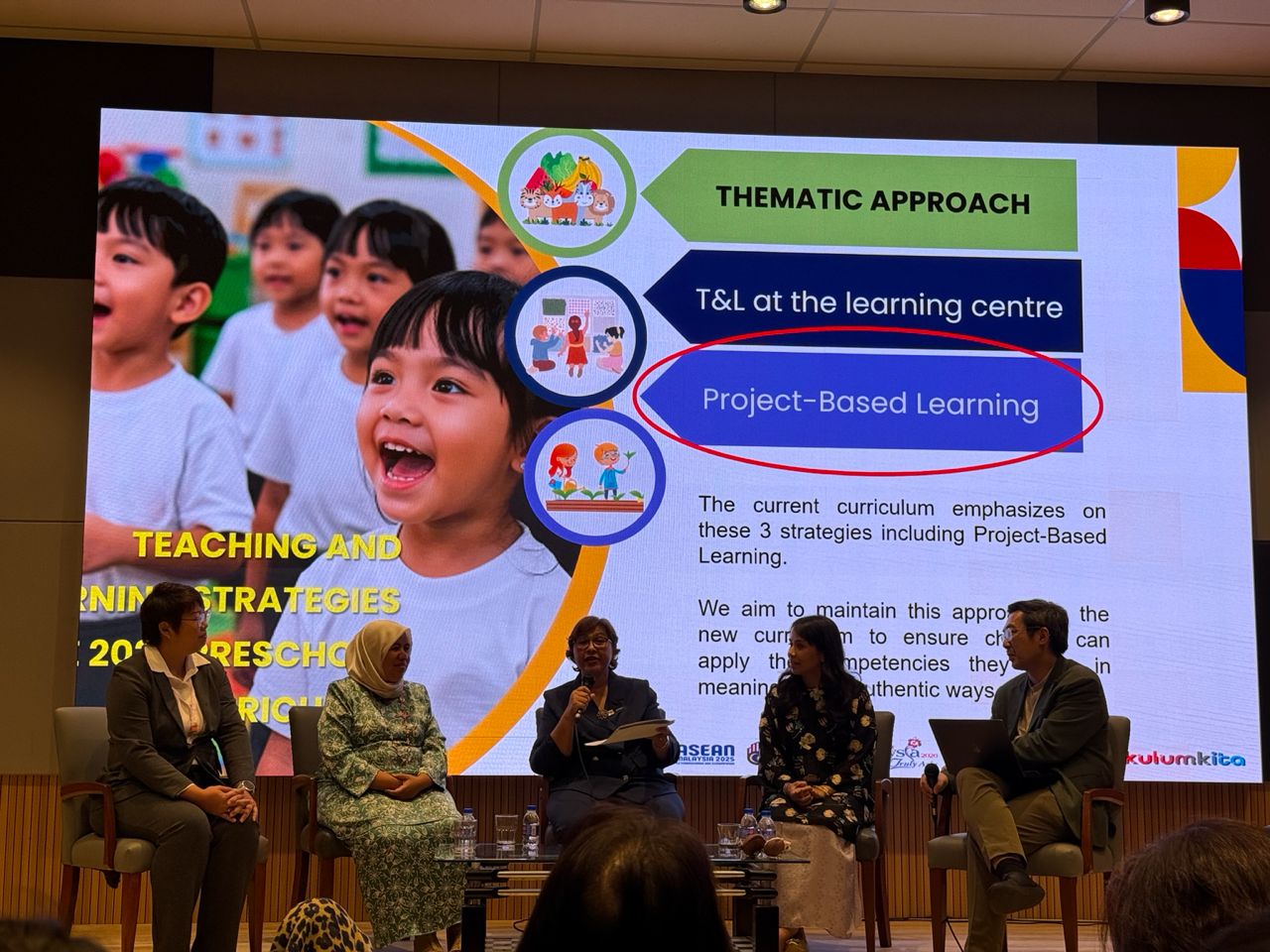
The ChildTime® is proud to share that our Director, Saleemah Z, was invited as a panel speaker in the education forum titled “Be the Change: Empowering Educators for the Ever-Changing Early Childhood Landscape – Nurturing 21st Century Learners Through Project-Based Learning.”
This session, held at SEGi College Subang Jaya, brought together key voices in early childhood education, including policymakers, curriculum leaders, and preschool founders. It was not just a discussion about teaching strategies. It was a conversation about the future of education in Malaysia.
For Saleemah Z, this conversation is deeply personal.
Her journey with Project-Based Learning did not begin from theory. It began from real experience as a mother, an educator, and a practitioner in the field.
From Real Experience to Educational Approach
As shared in her featured perspective on Kiddy123, Saleemah Z’s understanding of Project-Based Learning was shaped through observing how children truly learn.
She saw firsthand that children do not learn best through memorisation or repetition alone. Instead, they learn through exploration, curiosity, and meaningful experiences.
This realisation became a turning point.
Rather than following conventional teaching methods, she began to redesign learning experiences to focus on thinking, connection, and real-world understanding. Over time, this approach evolved into what is now practiced at The ChildTime®.
Project-Based Learning was not adopted as a trend. It was built from lived experience and continuous refinement.
Why Project-Based Learning Is a Necessary Shift
During the panel discussion, Saleemah Z emphasised that early childhood education in Malaysia is at a critical point of change.
For many years, the focus has been heavily placed on early academics. However, the demands of the future are different.
Children today need to be able to think, adapt, communicate, and solve problems. Therefore, education must shift from simply delivering content to building meaningful learning experiences.
Project-Based Learning supports this shift.
Through PBL, children are given the opportunity to explore real questions, investigate ideas, and connect learning to their everyday lives. As a result, learning becomes active and meaningful.
Children are not just learning what to think. They are learning how to think.
The ChildTime® Approach in Practice
At The ChildTime®, this belief is translated into daily classroom practice.
Learning begins as early as 18 months, not with worksheets, but with exploration and guided experiences. Children are encouraged to observe, interact, and express their ideas.
As they grow, these experiences become more structured through Project-Based Learning.
Teachers play an important role in this process. Instead of simply giving answers, they scaffold thinking. They guide children to notice, question, and make connections.
Because of this, children develop confidence in their thinking, not just their ability to complete tasks.
Building 21st Century Learners
The theme of the forum focused on nurturing 21st century learners, and this aligns strongly with The ChildTime® philosophy.
In today’s world, success is no longer defined only by academic achievement. It also includes the ability to collaborate, communicate, adapt, and think critically.
These are not skills that can be developed overnight. They must be nurtured from the early years.
Project-Based Learning creates the environment for this to happen. It allows children to engage deeply with learning, develop curiosity, and build meaningful understanding.
A Voice for Change in Early Childhood Education
Saleemah Z’s presence in this panel reflects more than participation. It reflects a growing recognition that early childhood education needs to evolve.
Her work continues to advocate for a shift away from rigid, outcome-driven approaches towards learning that is meaningful, thinking-driven, and child-centred.
This is also why her perspective, as featured in Kiddy123, resonates with many parents and educators. It speaks to a reality that many are beginning to see.
Children do not need more pressure. They need better learning experiences.
Final Reflection
At The ChildTime®, Project-Based Learning is not treated as an additional method. It is a foundation for how children learn.
It begins with curiosity. It grows through experience. It develops through thinking.
Because in the end, education is not only about preparing children for school.
It is about preparing them for life.