

Project-Based Learning at The ChildTime® Starts from 18 Months
April 8, 2026
admin
From Dot and Line to Thinking Classroom
At The ChildTime®, we believe that learning does not begin only when a child can read, write, or count.
Instead, it begins much earlier.
In fact, it starts when a child begins to notice, touch, move, and make sense of the world around them. That is why our Project-Based Learning approach begins as early as 18 months old.
It does not begin with complex projects. It begins with something simple. It begins with dot, line, and movement.
Why Project-Based Learning Can Start at 18 Months
In many settings, Project-Based Learning is introduced only when children are older. However, this assumption misses something important. Thinking develops before language becomes fully formed.
Because of this, at The ChildTime®, we focus on building the foundation of thinking first rather than rushing children into early academics.
This approach also reflects the direction of meaningful early childhood education, where development is viewed as more than academic performance alone. As a result, children are not pushed to produce outcomes too early. Instead, they are guided to explore, notice, and connect.
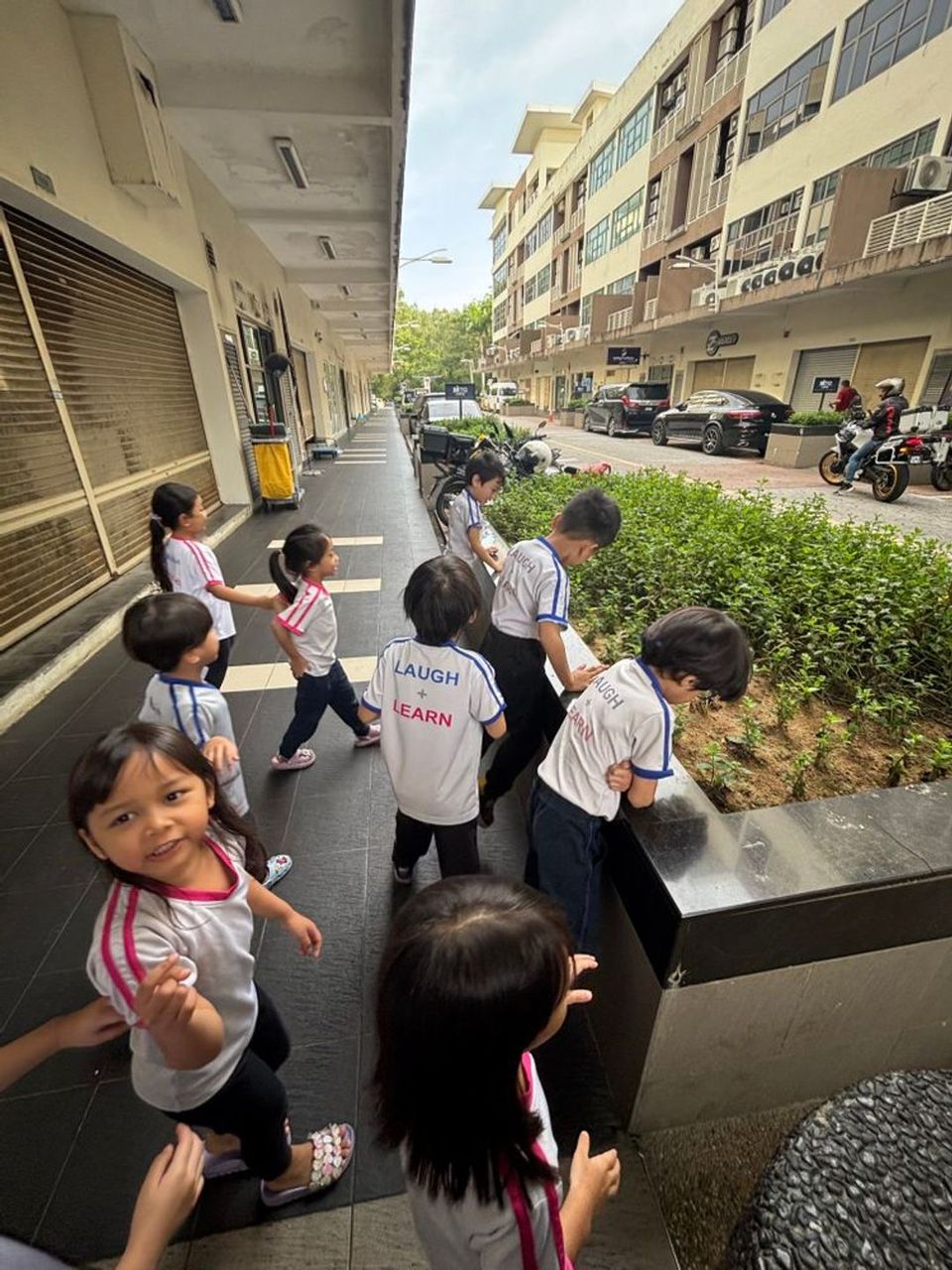
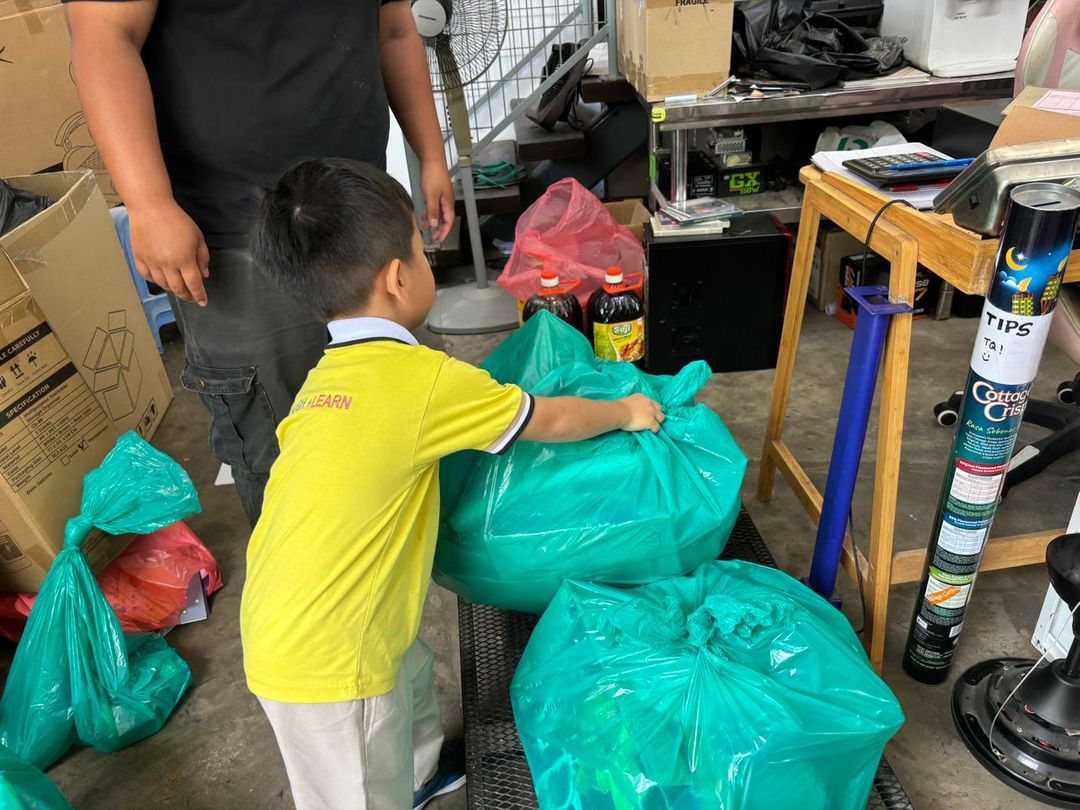
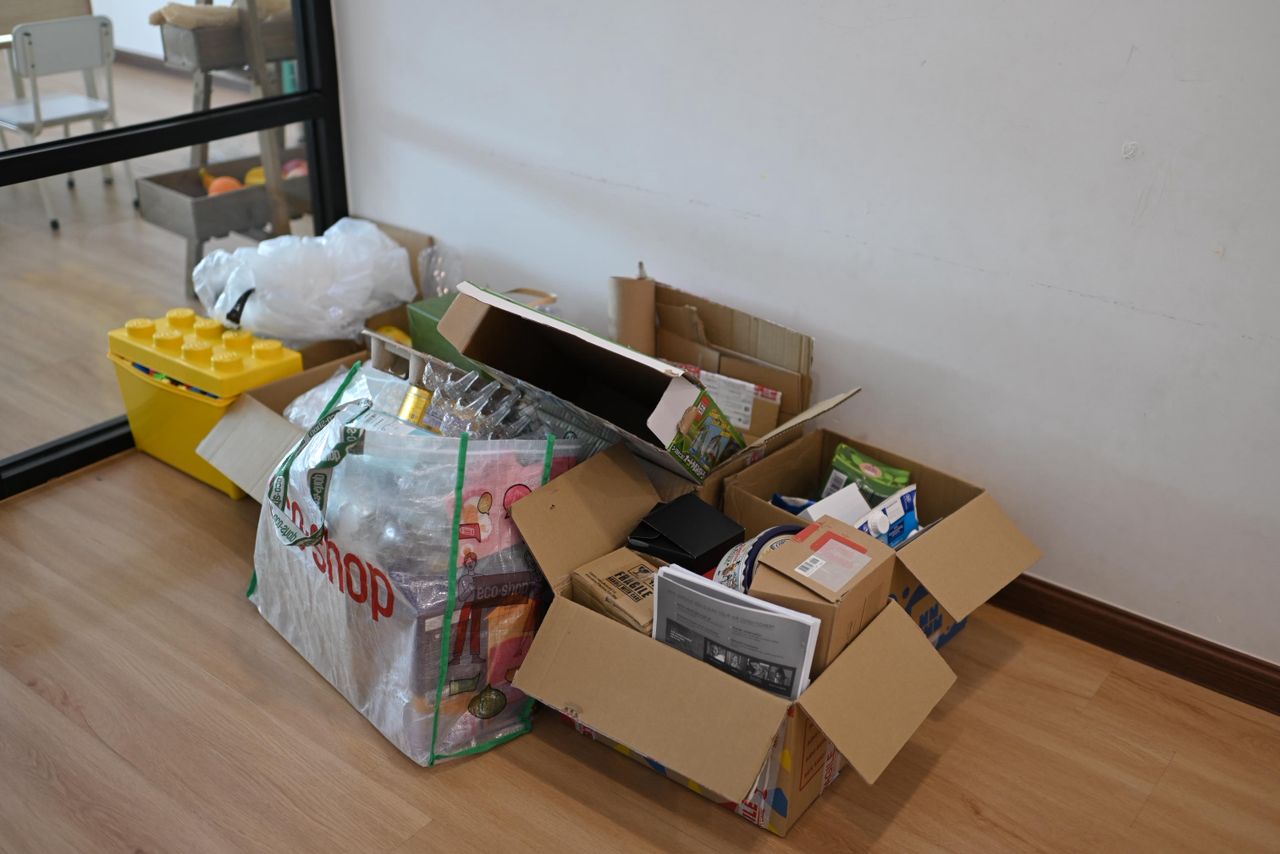
Dot and Line as the Beginning of Thinking
At 18 months, children are not expected to complete formal tasks. Instead, they are encouraged to explore through simple and purposeful experiences.
When a child touches a dot, traces a line, repeats a movement, or follows a pattern, that child is already building important foundations. These experiences support focus, movement control, pattern awareness, and early understanding of cause and effect.
Although dot and line may appear simple to adults, they are not small in value. A dot is not just a mark. A line is not just a stroke. Rather, these are some of the earliest ways children begin to organise action, attention, and meaning.
Building a Thinking Classroom from the Earliest Stage
At The ChildTime®, we do not wait until children are older to introduce thinking. Instead, we nurture thinking from the very beginning through the way teachers observe, respond, and scaffold each learning moment.
As children grow, simple thinking structures are gradually introduced in developmentally appropriate ways. The goal is not to pressure children with difficult questions. The goal is to help them notice, express, and wonder.
This is important because a thinking classroom is not created only through materials. It is created through intentional teaching. It begins when a teacher knows how to turn a simple moment into a meaningful learning experience.
From Movement to Meaning
Over time, children begin to move beyond sensory exploration. Their actions become more intentional, and their marks begin to carry meaning.
A line can become a road. A dot can become a person, an object, or an idea. At this stage, what began as movement starts to become representation.
This shift matters because it shows that children are not only doing. They are beginning to think symbolically and connect learning to the world around them. Therefore, Project-Based Learning at this stage is not about producing a perfect product. It is about helping children make meaning.
How PBL Grows with the Child
As children enter the preschool years, the PBL experience becomes more structured. However, the philosophy remains the same. Learning continues to be built through exploration, questioning, connection, and real experiences.
Children begin to engage with simple real-world questions. They explore ideas, test possibilities, communicate what they think, and create responses based on their understanding. Because of this, learning becomes more than activity. It becomes a process of thinking, exploring, creating, and sharing.
This is where Project-Based Learning becomes visible in a deeper way. It is no longer only about what children make. It is also about how children think.
Readiness Is More Than 3M
Many people still define readiness through reading, writing, and counting. However, that definition is too narrow for the needs of children today.
At The ChildTime®, we believe readiness is also about focus, emotional regulation, confidence, communication, connection, and the ability to make meaning from experience.
Therefore, readiness cannot be built through worksheets alone. It must be developed through real interactions, meaningful exploration, and thoughtful teaching. This is one reason why we begin early. The foundation of readiness is built long before formal academics appear strong on the surface.
The ChildTime® Approach to Early Learning
At The ChildTime®, our classrooms are designed to support thinking from the start. We believe children learn best when they are given space to explore, when teachers know how to scaffold their ideas, and when learning is connected to real understanding.
For this reason, our Project-Based Learning approach does not rush children. Instead, it respects development while building strong foundations for future learning.
When children learn how to notice, connect, wonder, and express, they are not only learning content. They are learning how to think.
Project-Based Learning Does Not Start with Big Projects
This is what makes our approach different.
At The ChildTime®, Project-Based Learning does not begin with big projects or polished outcomes. Instead, it begins with small moments that carry deep developmental value.
It begins with a dot. It begins with a line. It begins with movement, curiosity, and a teacher who understands how to turn that moment into thinking.
In the end, readiness is not built only when children can write. It is built when children begin to make meaning of the world around them.